No. 01
European
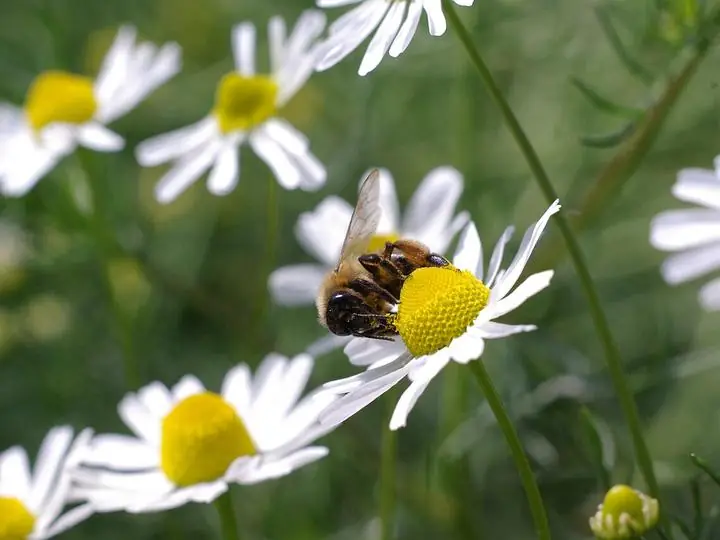
Chamomile
Matricaria chamomilla
Small apple-scented daisies that have earned a place in nearly every cottage garden and kitchen tin.
Read more about ChamomilePinned specimens
The plants kept on hand — what they look like, when they’re at their best, and what they’re traditionally reached for.
Showing all 38 herbs.
European
Matricaria chamomilla
Small apple-scented daisies that have earned a place in nearly every cottage garden and kitchen tin.
Read more about Chamomile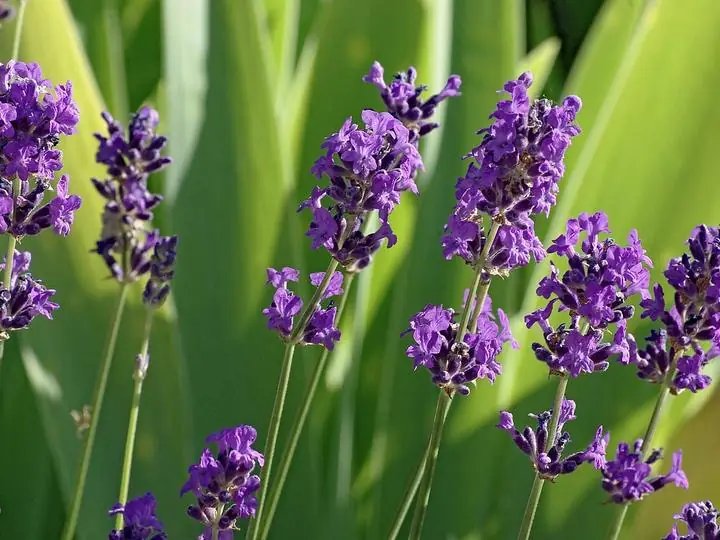
European
Lavandula angustifolia
Silvery stems topped with dense violet spikes, carried in from Mediterranean hillsides centuries ago.
Read more about Lavender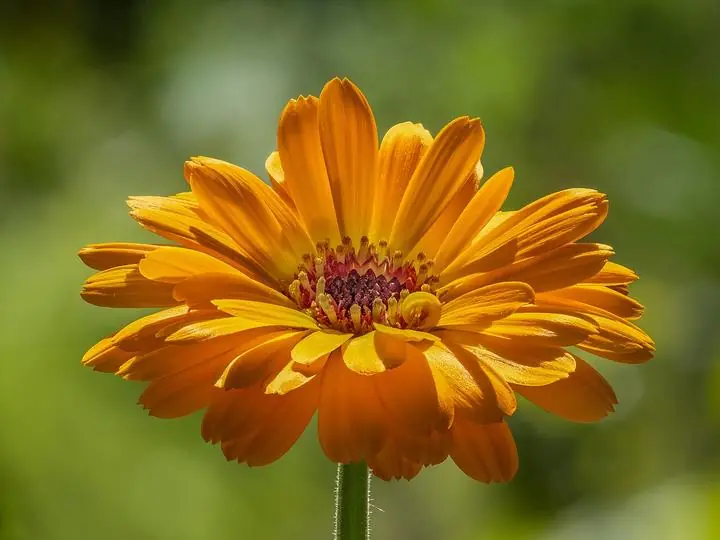
European
Calendula officinalis
The bright orange pot marigold that keeps flowering long after everything else in the bed has finished.
Read more about Calendula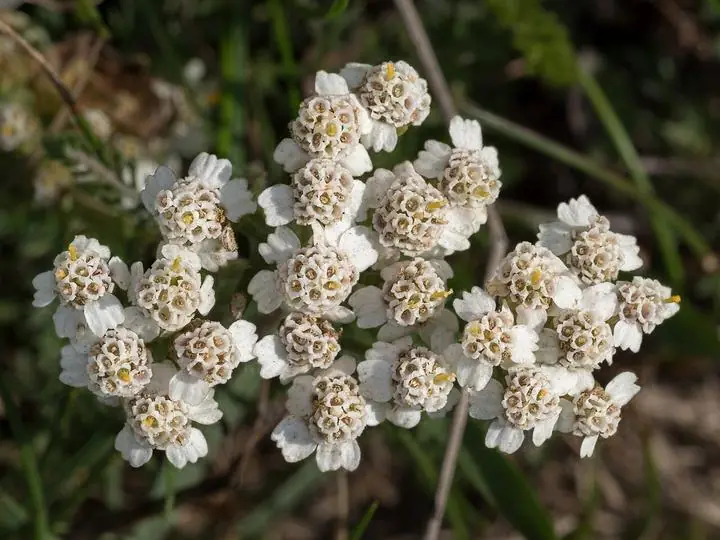
European
Achillea millefolium
Feathery foliage under flat-topped flower clusters, named after Achilles in the old herbals.
Read more about Yarrow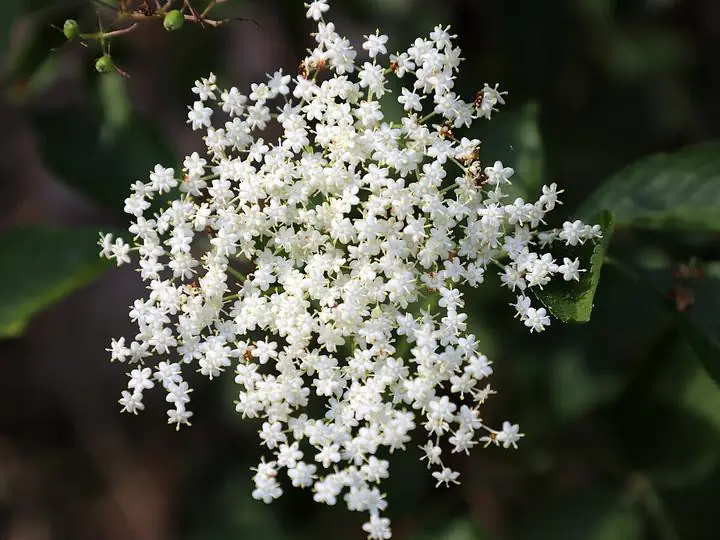
European
Sambucus nigra
One shrub, two harvests — creamy flower umbels in June, then dark berries by September.
Read more about Elderflower & Elderberry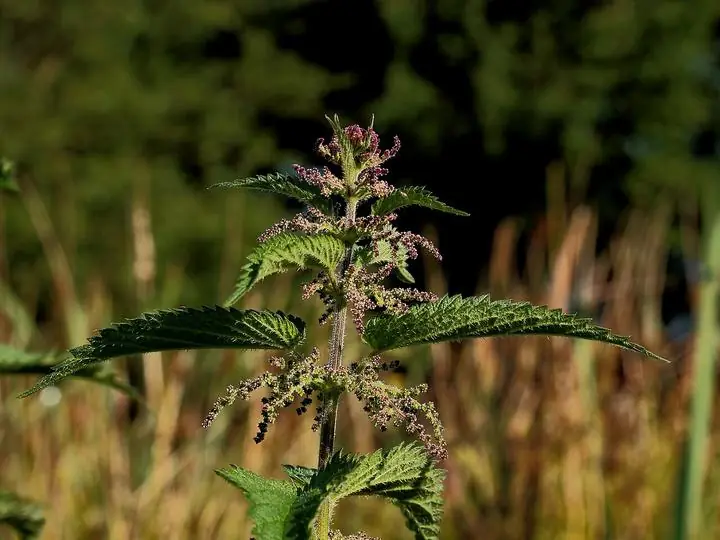
European
Urtica dioica
It stings fresh and forgives completely once cooked or dried, and it’s the earliest green of the spring garden.
Read more about Nettle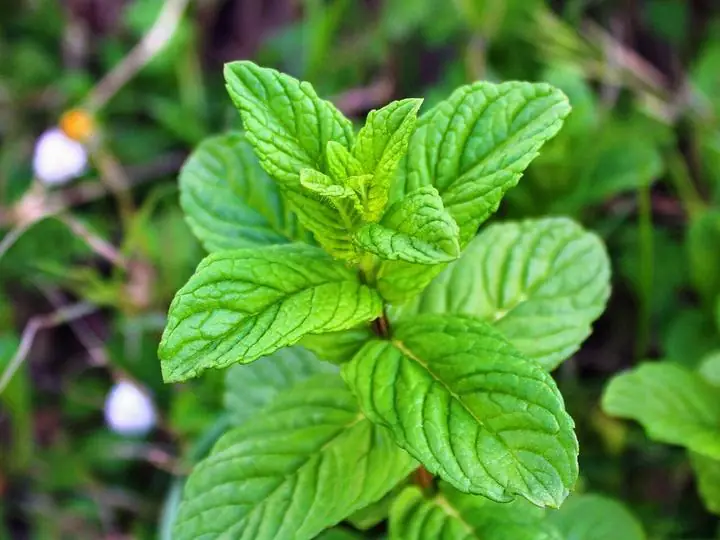
European
Mentha × piperita
Sharp, cooling, and nearly impossible to get rid of once it’s in the ground — in the best way.
Read more about Peppermint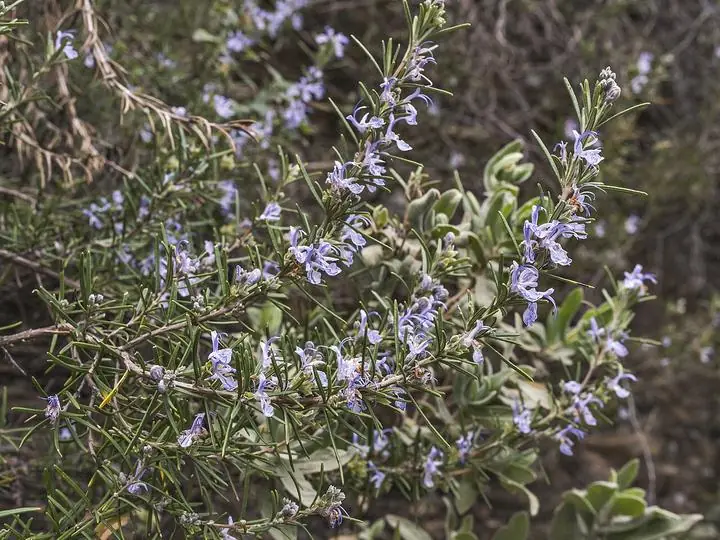
European
Salvia rosmarinus
“Rosemary for remembrance” — the one herb on this list that never fully dies back by the hearth.
Read more about Rosemary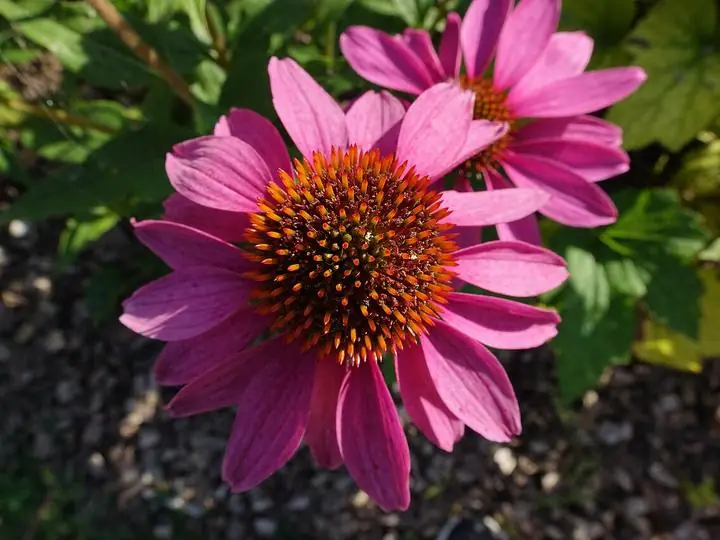
Native North American
Echinacea angustifolia & E. purpurea
The purple coneflower of the Great Plains, whose root makes the tongue tingle.
Read more about Echinacea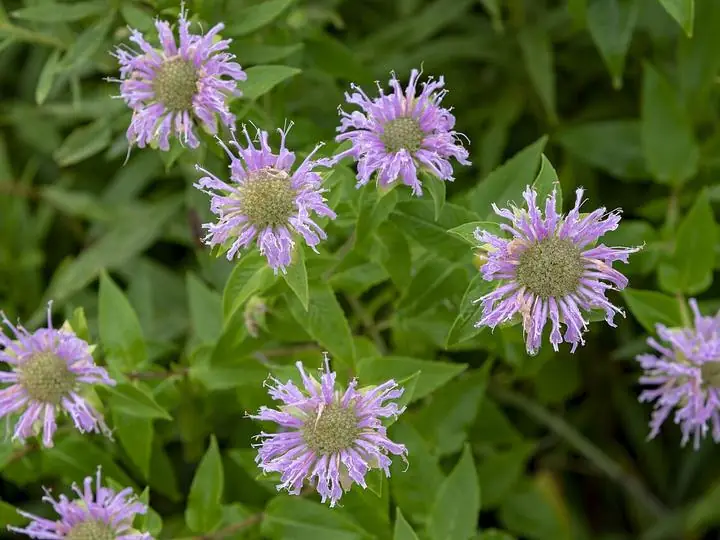
Native North American
Monarda fistulosa
Shaggy lavender pompoms with a spicy, oregano-like scent, and a favorite of bees.
Read more about Wild Bergamot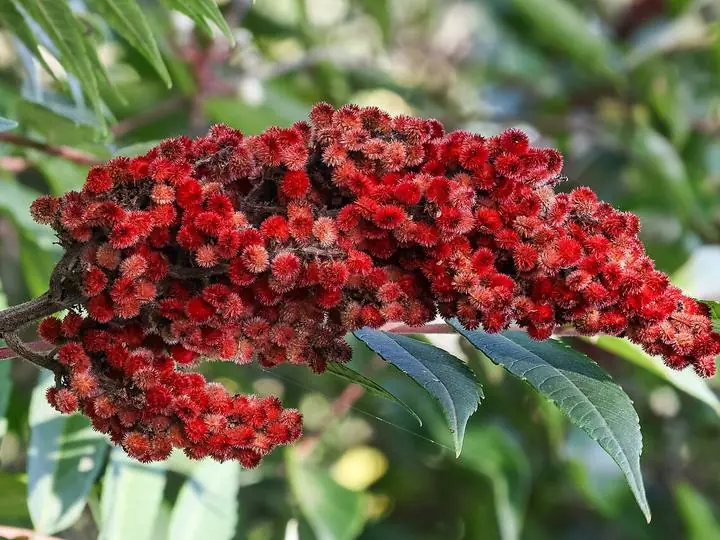
Native North American
Rhus typhina
Fuzzy red cones of sour berries, steeped cold into a pink “lemonade” across the continent.
Read more about Staghorn Sumac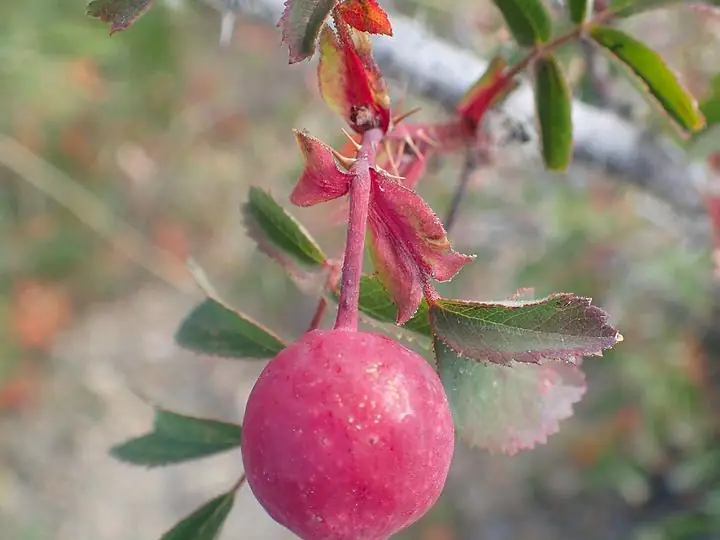
Native North American
Rosa woodsii, R. arkansana & kin
Scarlet fruit left on wild roses after the petals fall, and one of the richest wild sources of vitamin C.
Read more about Wild Rose Hips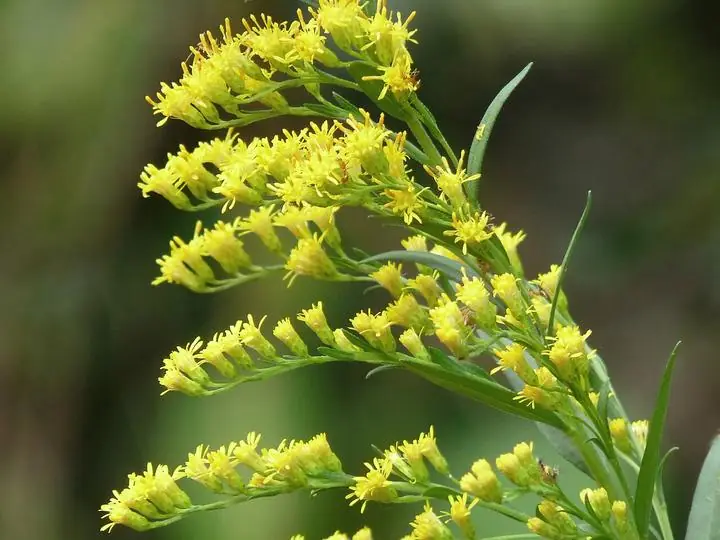
Native North American
Solidago canadensis & kin
Plumes of gold at the end of summer, unfairly blamed for the hay fever that ragweed causes.
Read more about Goldenrod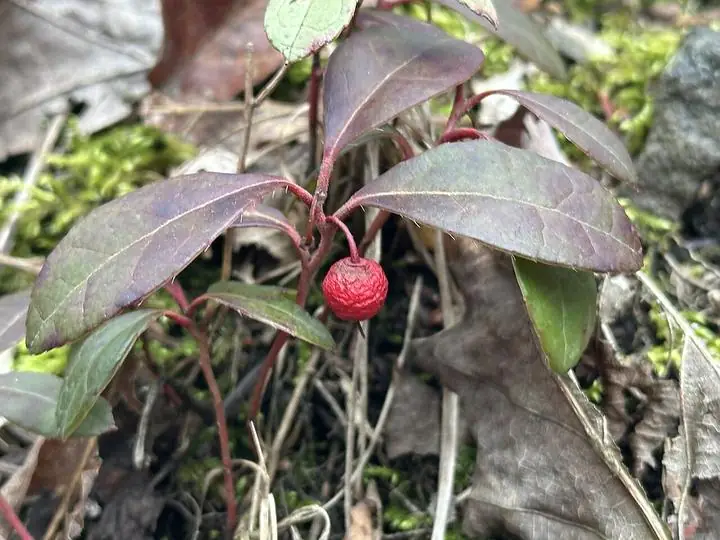
Native North American
Gaultheria procumbens
Glossy evergreen leaves and red winter berries that taste like the gum named after them.
Read more about Wintergreen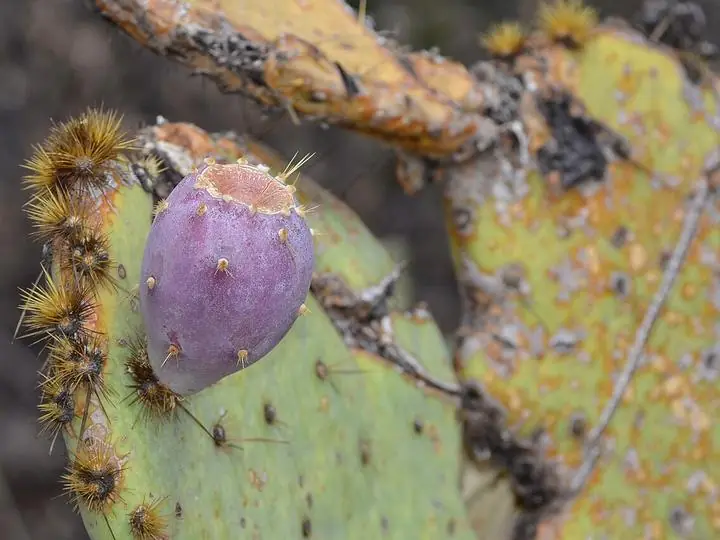
Desert Southwest & Mexico
Opuntia engelmannii & O. ficus-indica
Paddle-shaped cactus with magenta fruit, eaten as nopales and tunas from Sonora to Mexico City.
Read more about Prickly Pear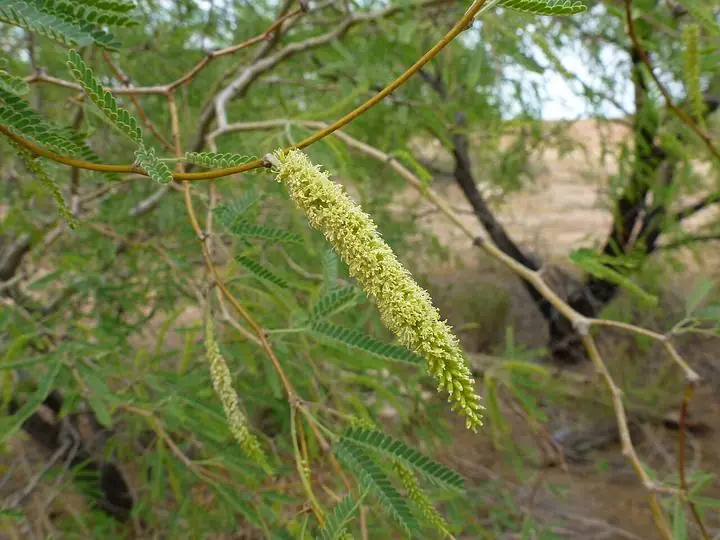
Desert Southwest & Mexico
Prosopis velutina
The desert’s bread tree: sweet pods ground into flour for thousands of years.
Read more about Mesquite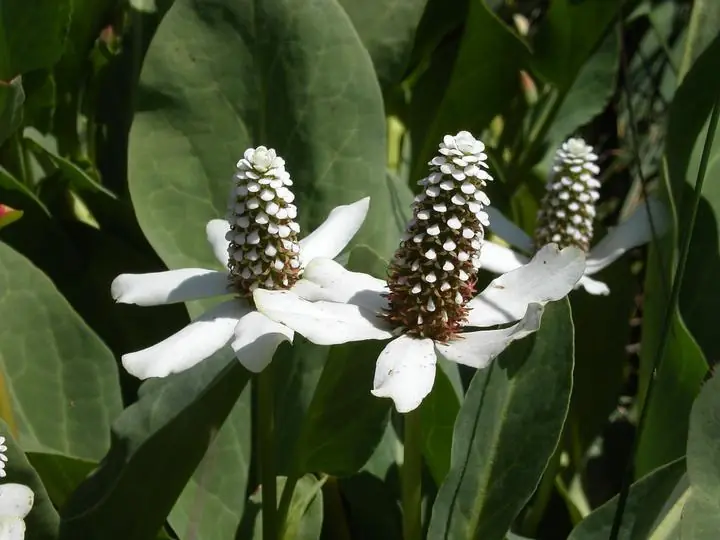
Desert Southwest & Mexico
Anemopsis californica
A white-bracted flower of desert springs and riverbanks, with a spicy, medicinal-smelling root.
Read more about Yerba Mansa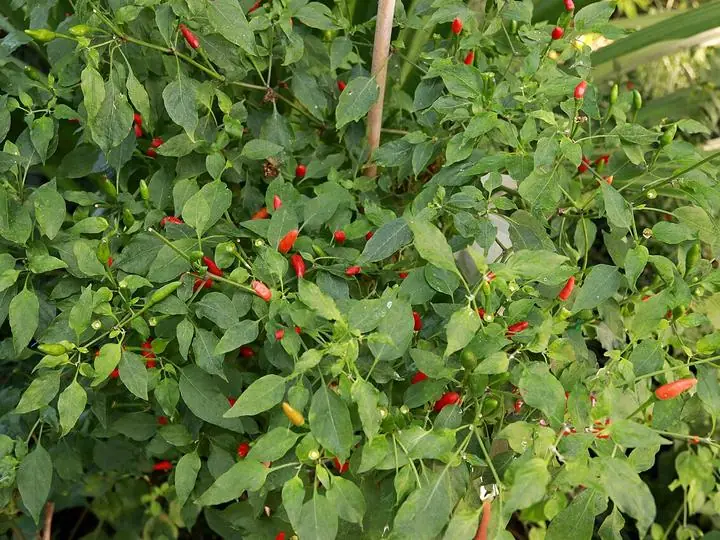
Desert Southwest & Mexico
Capsicum annuum var. glabriusculum
The wild “mother of all peppers,” a tiny red berry that grows under mesquite in Southern Arizona.
Read more about Chiltepin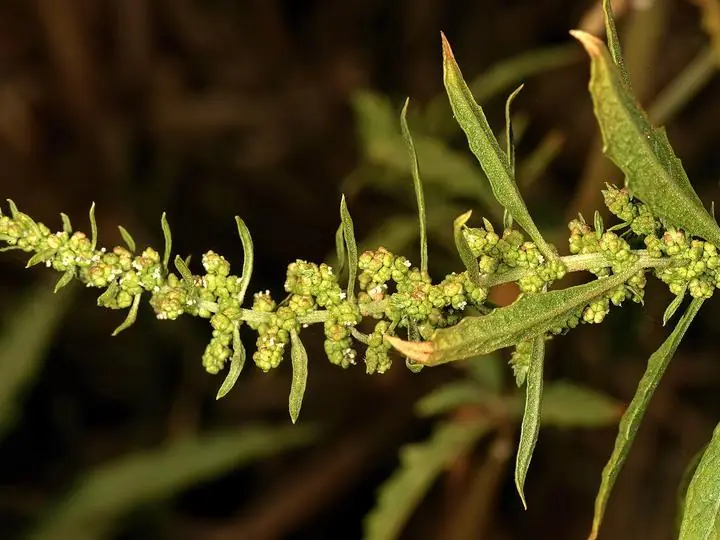
Desert Southwest & Mexico
Dysphania ambrosioides
A pungent, love-it-or-hate-it weed that belongs in every pot of Mexican black beans.
Read more about Epazote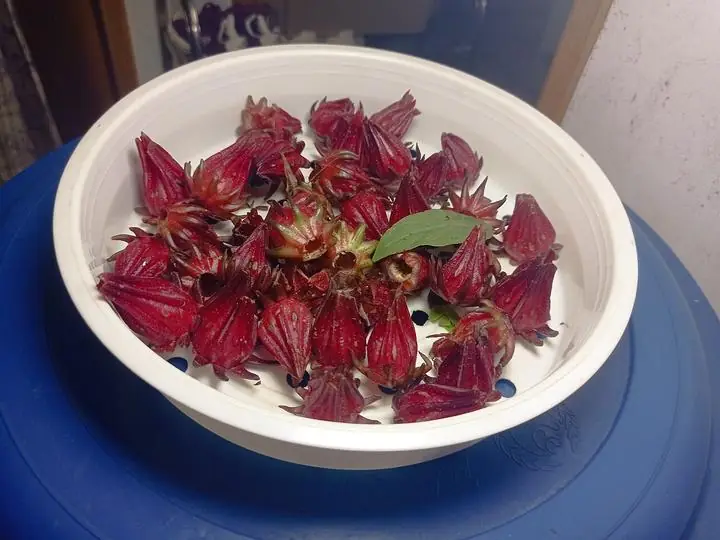
Desert Southwest & Mexico
Hibiscus sabdariffa
Tart crimson calyces steeped into agua de jamaica, the ruby drink of every Mexican taquería.
Read more about Jamaica (Roselle)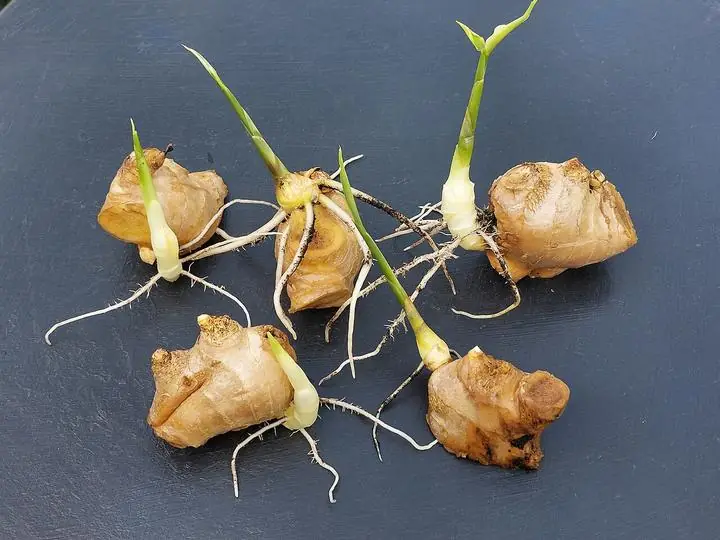
East Asian
Zingiber officinale
The warming root of a thousand kitchens, from Korean teas to English gingerbread.
Read more about Ginger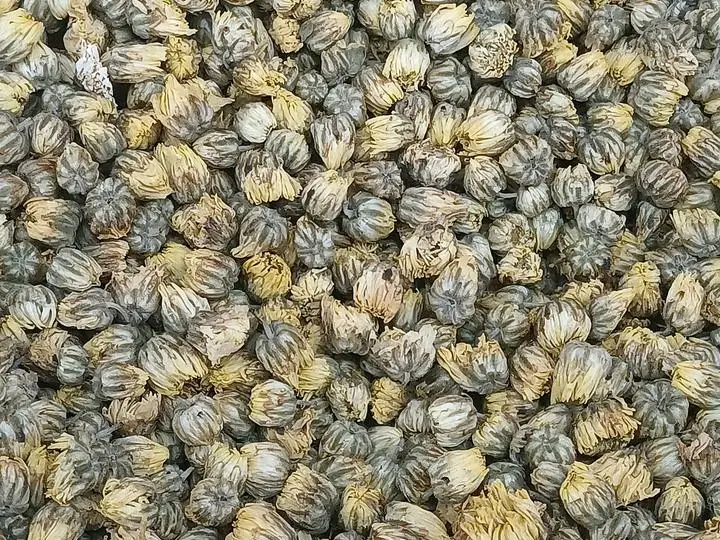
East Asian
Chrysanthemum morifolium
Small golden autumn flowers steeped into the clear, honey-scented tea of Chinese teahouses.
Read more about Chrysanthemum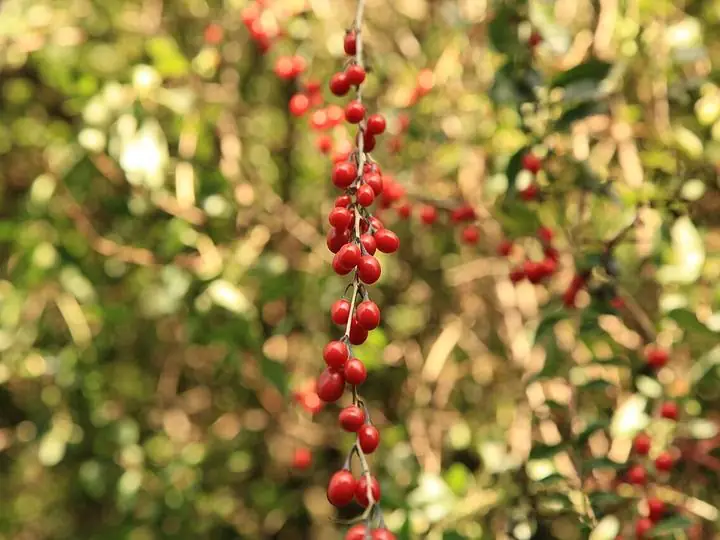
East Asian
Lycium barbarum
Small scarlet berries from Ningxia, simmered into soups and teas in Chinese kitchens.
Read more about Goji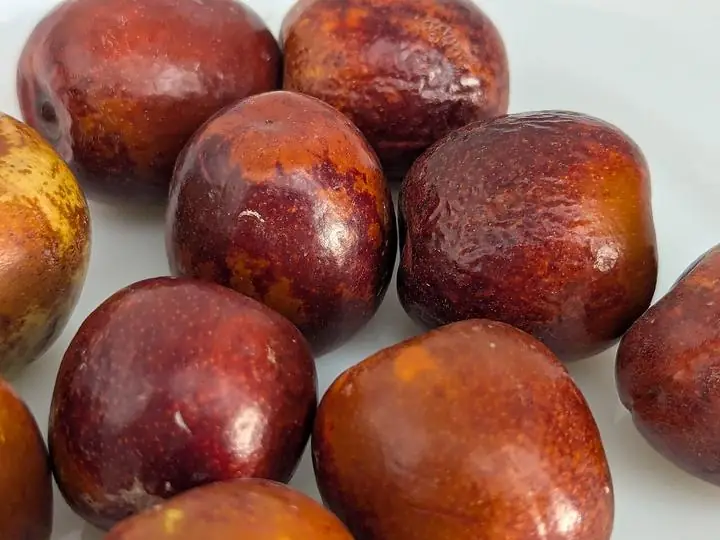
East Asian
Ziziphus jujuba
The Chinese red date: crisp as an apple when fresh, sweet as a date when dried.
Read more about Jujube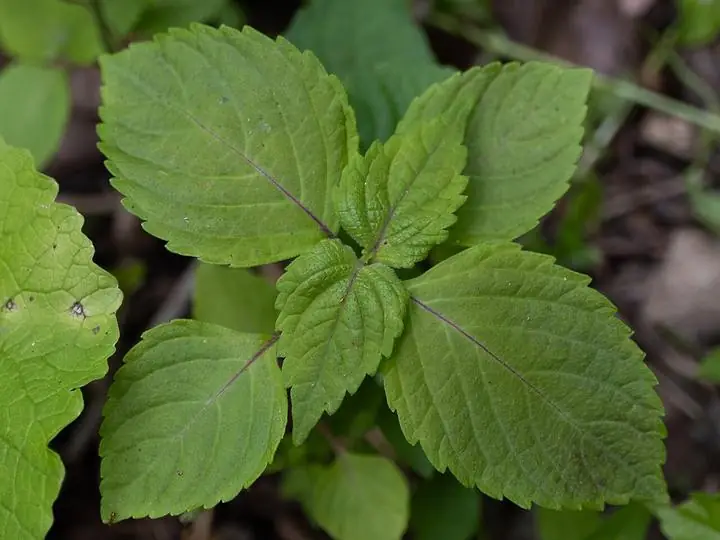
East Asian
Perilla frutescens
The ruffled green and purple leaf that colors umeboshi and wraps Korean barbecue.
Read more about Shiso (Perilla)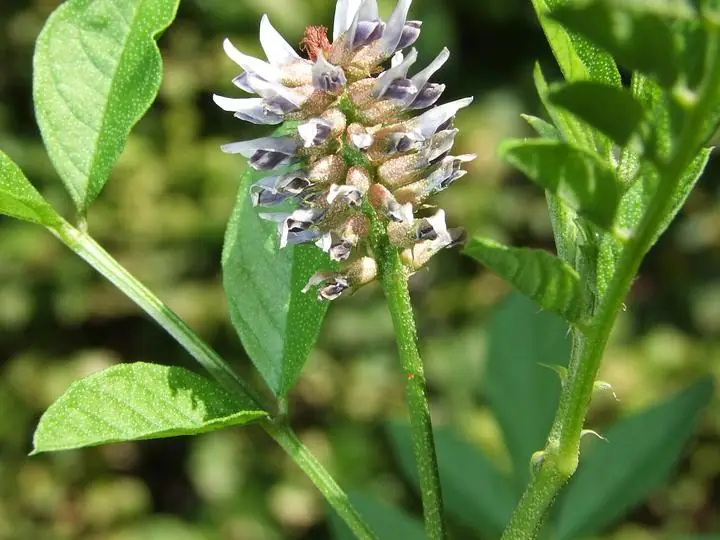
East Asian
Glycyrrhiza glabra & G. uralensis
The “sweet root” and “national elder” of Chinese medicine, fifty times sweeter than sugar.
Read more about Licorice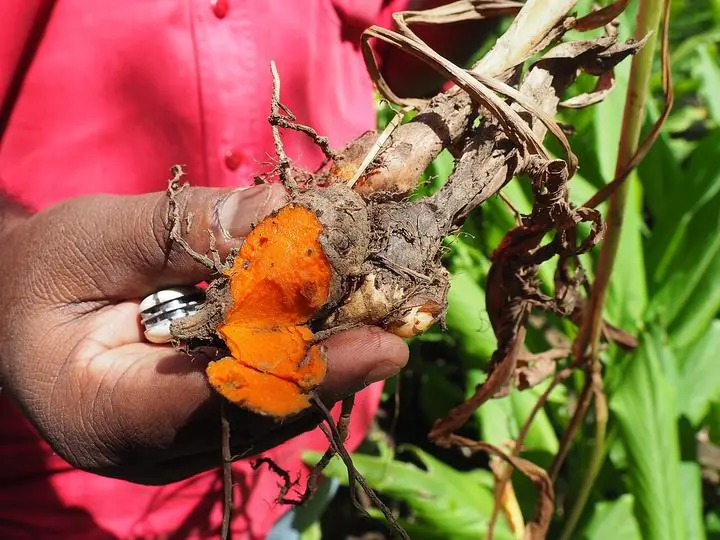
South Asian
Curcuma longa
The golden root of Indian kitchens, wedding pastes, and household first aid.
Read more about Turmeric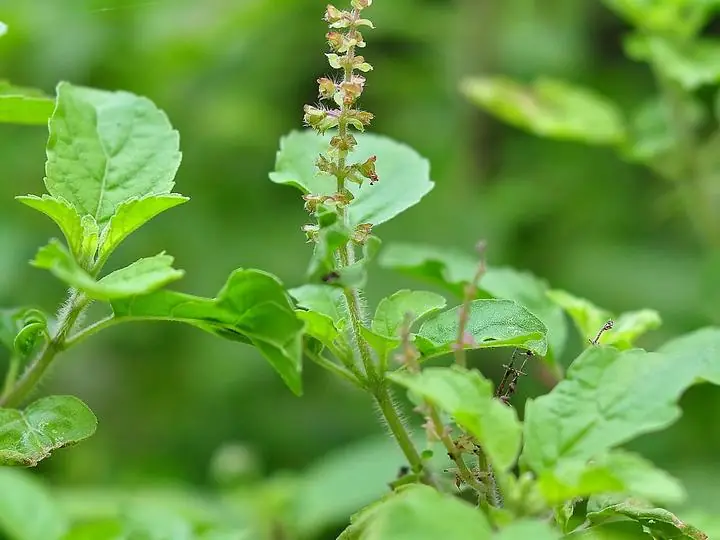
South Asian
Ocimum tenuiflorum
The sacred basil grown in Indian courtyards, with a clove-like scent and a daily cup of tea.
Read more about Holy Basil (Tulsi)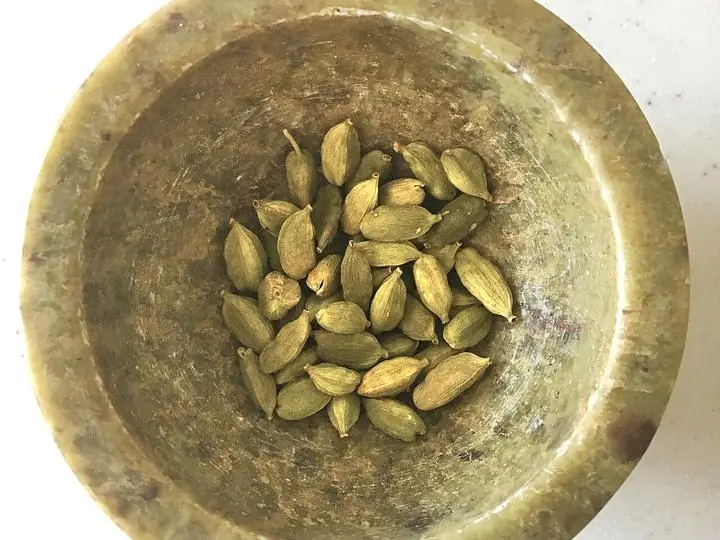
South Asian
Elettaria cardamomum
The “queen of spices”: small green pods from the hills of Kerala that perfume chai and Nordic buns.
Read more about Cardamom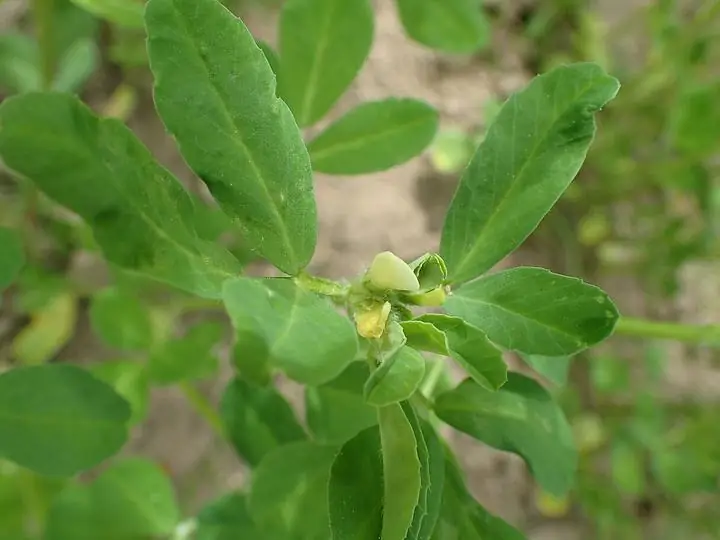
South Asian
Trigonella foenum-graecum
Bitter golden seeds that smell of maple syrup, and fresh leaves cooked as methi in Indian kitchens.
Read more about Fenugreek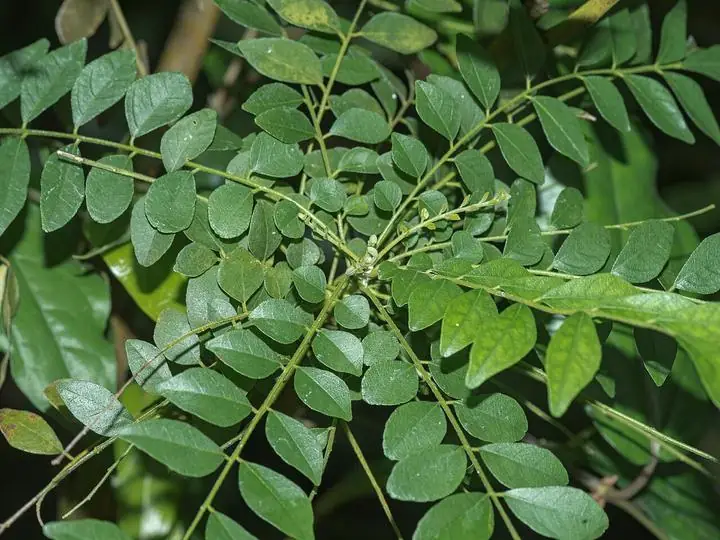
South Asian
Murraya koenigii (Bergera koenigii)
Glossy aromatic leaves that crackle in hot oil at the start of South Indian cooking.
Read more about Curry Leaf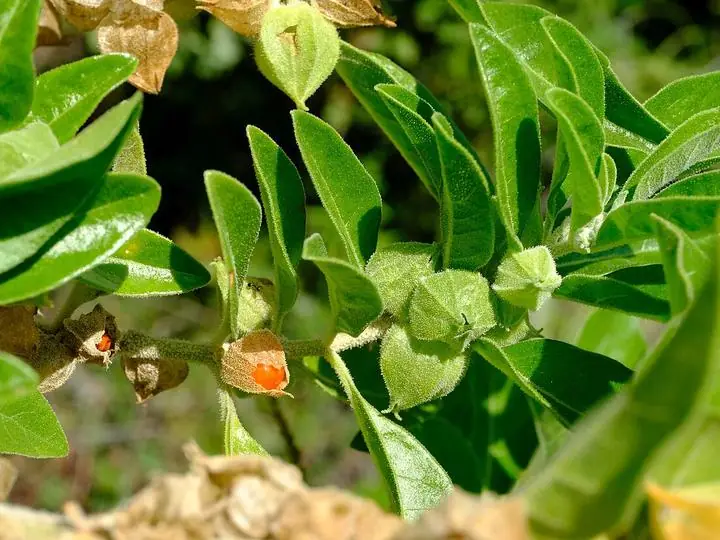
South Asian
Withania somnifera
The “smell of a horse” root of Ayurveda, prized as a restorative tonic for three thousand years.
Read more about Ashwagandha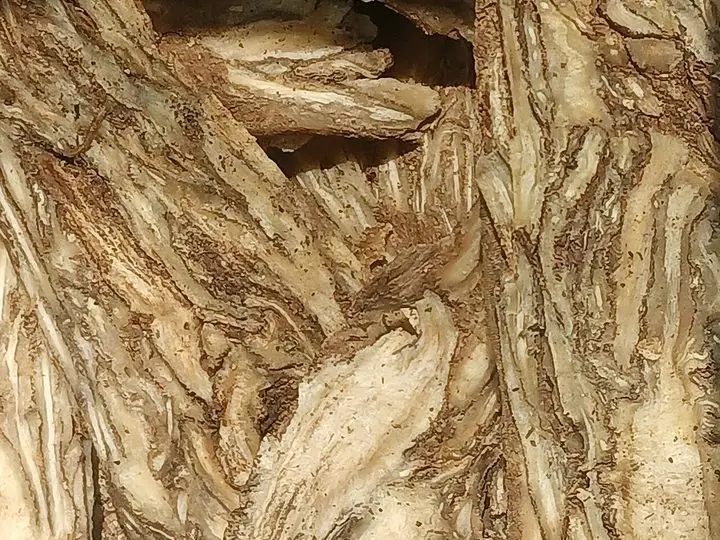
East Asian
Angelica sinensis
The fragrant root Chinese kitchens simmer into winter soups, known in the West as dong quai.
Read more about Dang Gui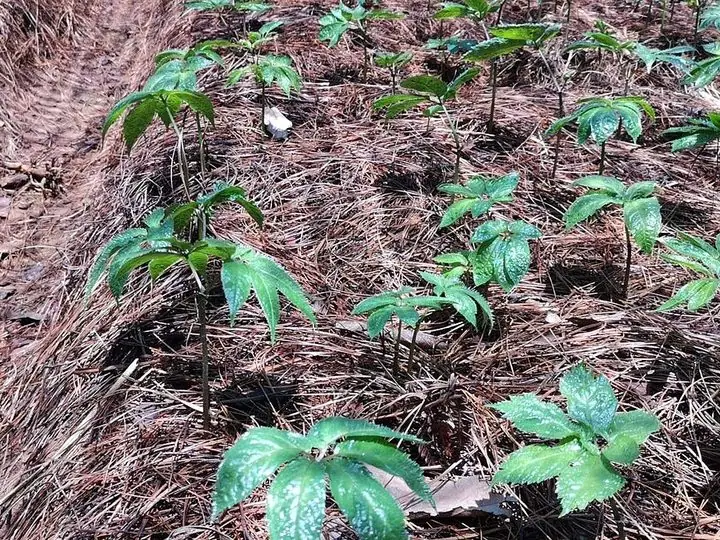
East Asian
Panax notoginseng
The “worth more than gold” root of Yunnan, the classic Chinese herb for bleeding and bruises.
Read more about San Qi (Tienchi Ginseng)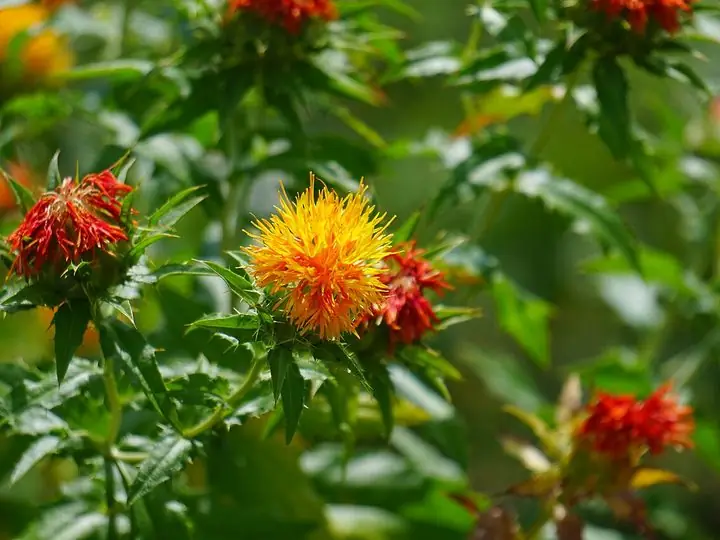
East Asian
Carthamus tinctorius
A thistle-like dye plant from Pharaohs’ garlands, and a bruise herb in Chinese medicine.
Read more about Safflower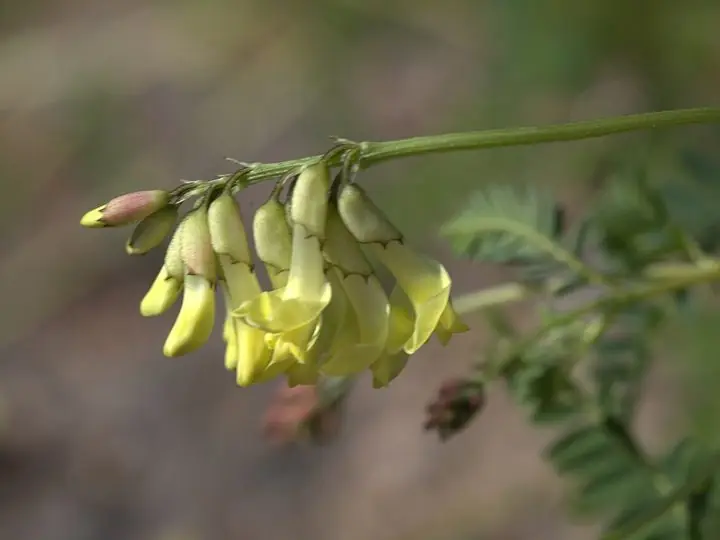
East Asian
Astragalus mongholicus
The “yellow leader” of Chinese tonics, simmered by the handful into soups and broths.
Read more about Astragalus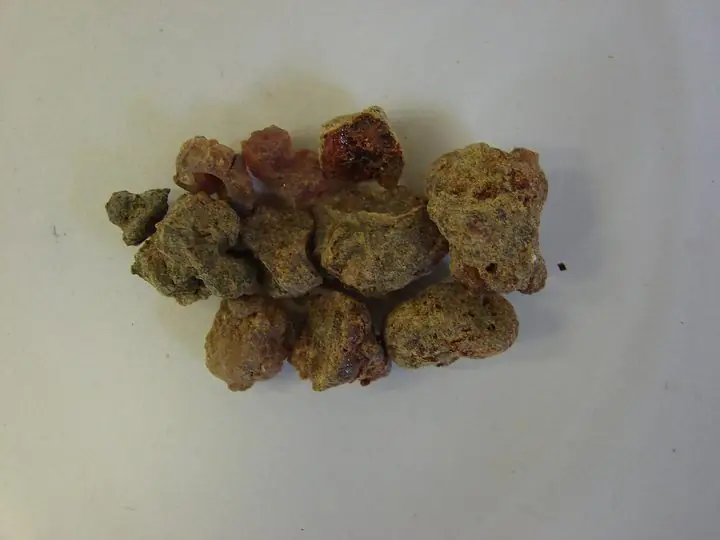
Arabia & East Africa
Commiphora myrrha
The bitter red-brown resin of the Horn of Africa, used for three thousand years on wounds and sore gums.
Read more about Myrrh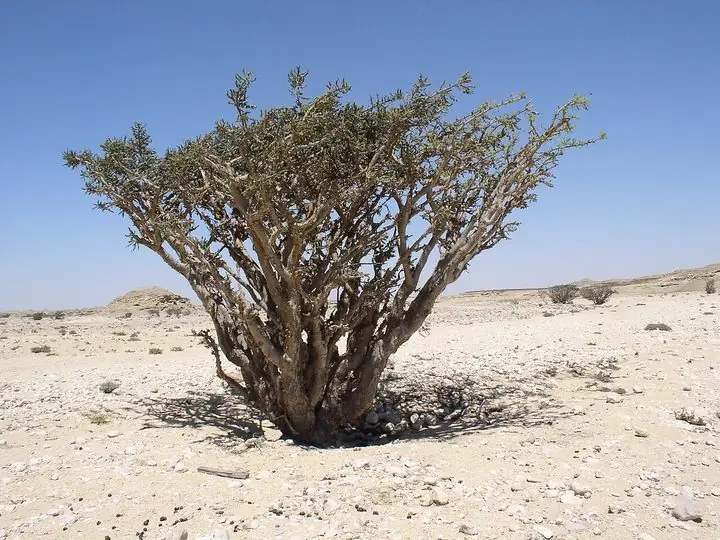
Arabia & East Africa
Boswellia sacra
The milky resin of the incense trade, burned in temples for millennia and chewed in Oman today.
Read more about FrankincenseNothing in the notebook matches that yet. Try a different word, or loosen the filters.