Ginger
Zingiber officinale
The warming root of a thousand kitchens, from Korean teas to English gingerbread.
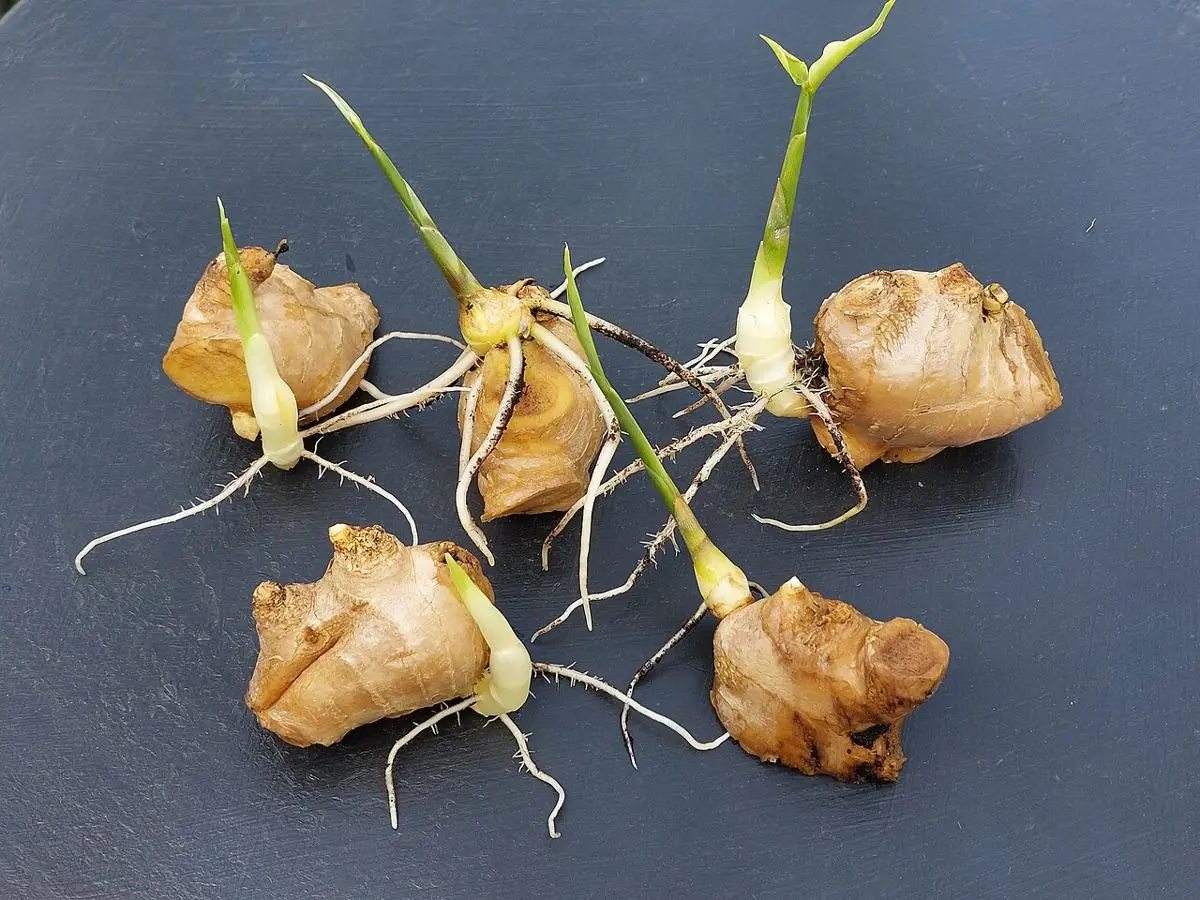
Ginger is a tropical plant grown for its knobby underground stem. It has been cultivated so long in southern China and India that no truly wild ginger is known. Chinese medicine counts fresh and dried ginger as two different herbs, Ayurveda calls dried ginger “the universal medicine,” and nearly every cuisine in Asia starts a dish with it.
Traditional profile
Actions
- carminativeEases gas, bloating, and colic.
- antiemeticSettles nausea and vomiting.
- diaphoreticBrings on a sweat; used at the start of a cold or fever.
- stimulantQuickens and warms the circulation or digestion.
- anti-inflammatoryUsed to calm swelling, redness, and heat in tissues.
Body systems
Chinese medicine
- Name
- 生姜 Shēng jiāng (fresh)
- Nature
- Slightly warm
- Flavor
- Acrid
- Channels
- Lung, Spleen, Stomach
- Five phases
- Metal by flavor
Ayurveda
- Name
- Shunthi (dried) · Ardraka (fresh)
- Taste
- Pungent
- Potency
- Heating
- After digestion
- Sweet
- Doshas
- Reduces Vata and Kapha
How to know it
A reed-like plant two to four feet tall with long, narrow leaves in two ranks along the stem. The part used is the rhizome: a pale, knobby, branching underground stem with thin tan skin and fragrant yellow flesh. It rarely flowers outside the tropics.
Galangal, turmeric, and cardamom are close relatives in the same family.
History & lore
Ginger appears in the earliest Chinese herbals, and the Analects say that Confucius did not go without ginger at his meals. It reached the Roman world through Arab and Indian traders and was one of the most valuable spices of medieval Europe; gingerbread became a fair-day treat in England by the 1500s.
Chinese medicine distinguishes fresh ginger (shēng jiāng), which is used to warm the body at the start of a chill and settle the stomach, from dried ginger (gān jiāng), which is considered hotter and more deeply warming. In Korea, ginger tea sweetened with honey or jujube is a standard winter drink.
Growing it
Plant a plump, fresh rhizome with visible buds in spring, an inch or two deep, in rich, moist soil and bright shade. It needs warmth and steady water, and dies back in fall; dig it then, or grow it in a large pot you can bring indoors. In Arizona it does best in a shady spot with regular water.
Varieties & companions
Most ginger is unnamed and sold by origin. Hawaiian yellow ginger is plump and mild; Chinese and Indian gingers tend to be more fibrous and pungent. Young “baby ginger,” dug early, has pink-tipped shoots and almost no skin.
Grow it with turmeric and cardamom in a shady, humid corner or container.
Gathering & drying
Dig the whole clump when the leaves yellow. Keep fresh ginger in the fridge or freezer (grate it frozen), or slice it thin and dry it for tea and powder.
At the hearth
Hot ginger tea with honey is a household drink for a chill, an upset stomach, or motion sickness in homes from China to India to the Caribbean. Grated ginger in a hot foot bath is another old warming remedy.
In the kitchen
Fresh ginger starts stir-fries, curries, soups, and marinades. Dried ground ginger flavors baking. Pickled ginger (gari) is served with sushi, and crystallized ginger is candied in sugar syrup.
Traditional usage
Fresh rhizome as tea, juice, and seasoning; dried rhizome as powder and decoction. In Chinese medicine fresh ginger is used to warm and “release the exterior” in colds with chills and to stop vomiting. In Ayurveda, dried ginger is used for poor digestion, bloating, cough, and joint pain.
In the herbalism of Chinese martial arts schools, recorded in Walker and Bauer’s The Ancient Art of Life and Death (2002), dried ginger is ground with turmeric, myrrh, frankincense, and other herbs into a warming paste for swelling and bruises, and many classical tonic decoctions, such as the Eight Treasure decoction (bā zhēn tāng), are brewed with a slice of fresh ginger and one jujube.
Chinese medicine (fresh ginger): acrid, slightly warm, entering the Lung, Spleen, and Stomach channels. Ayurveda (dried ginger, shunthi): pungent taste, heating potency, sweet post-digestive effect; reduces Vata and Kapha.
Chemical constituents
Fresh ginger’s bite comes from gingerols. Drying and heating turn them into shogaols, which are even more pungent, and long cooking produces zingerone, which is milder and sweeter. The aroma comes from an essential oil rich in zingiberene and other sesquiterpenes.
What the research says
NCCIH reports that ginger may help nausea and vomiting in pregnancy and may ease menstrual cramps, while studies of motion sickness have mostly been disappointing. European regulators, however, accept powdered ginger for preventing motion sickness nausea on the strength of trials, plus traditional uses for mild digestive complaints, loss of appetite, minor joint pain, and colds.
Ginger as food is safe. Supplements can cause heartburn, stomach discomfort, and mouth irritation. Pregnant women should talk with their provider before using ginger supplements, and people on blood thinners should check for interactions.
Good to know
Grocery ginger is sometimes treated to stop sprouting; for planting, buy organic or seed ginger.
Further reading
- NCCIH: GingerResearch and safety summary, updated 2025.
- European Medicines Agency: Ginger herbal summaryWhat European regulators accept, and on what evidence.
- Me & Qi: Sheng Jiang (fresh ginger)Chinese medicine properties: nature, flavor, channels.
- The Ayurvedic Pharmacopoeia of India, Part I, Vol. 1Government of India monographs: taste, potency, and actions.