Jamaica (Roselle)
Hibiscus sabdariffa
Tart crimson calyces steeped into agua de jamaica, the ruby drink of every Mexican taquería.
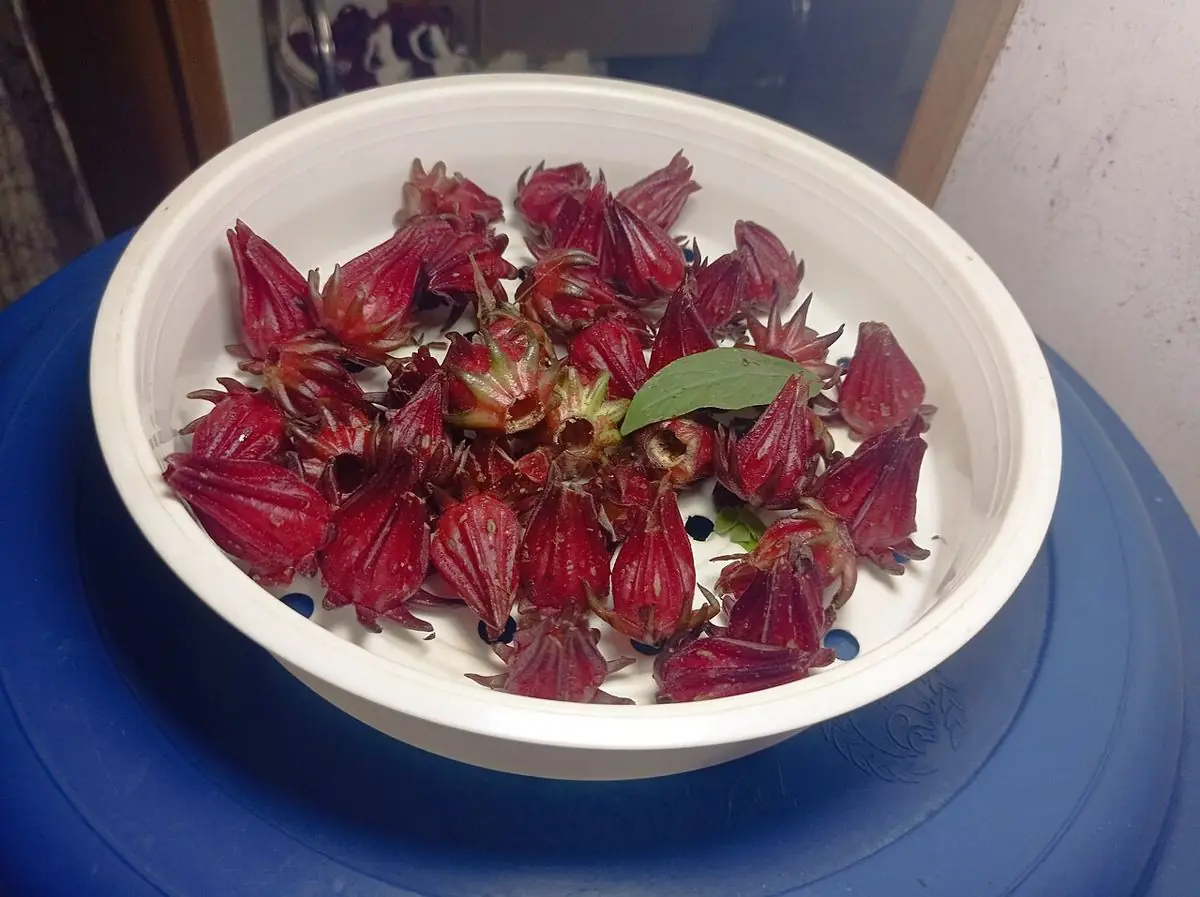
Jamaica isn’t the flower of the garden hibiscus but the fleshy red calyx that wraps the seed pod of roselle, an African plant grown across the tropics. Steeped and sweetened, it becomes agua de jamaica in Mexico, bissap in West Africa, karkadé in Egypt, and sorrel at Caribbean Christmas.
Traditional profile
Actions
- refrigerantCooling; lowers heat and quenches thirst.
- diureticIncreases the flow of urine.
- antioxidantRich in compounds that protect cells from oxidative damage.
Body systems
How to know it
A shrubby annual, four to seven feet tall, with reddish stems and leaves that are often lobed like a hand. Pale yellow or pink flowers with dark centers open for a day, and each leaves behind a plump, bright red calyx around a green seed pod. The calyx is the part used.
History & lore
Roselle was domesticated in West Africa and traveled with the Atlantic trade to the Caribbean and Mexico, probably in the 1500s and 1600s. Mexico is now one of the world’s largest buyers of dried calyces, much of it grown in Guerrero and imported from Africa.
The Caribbean sorrel drink, spiced with ginger and cloves, is a Christmas tradition in Jamaica and Trinidad, and bissap is Senegal’s national drink.
Growing it
Roselle needs a long, hot season and flowers only when days shorten in fall, so it is best in frost-free or long-summer climates. In southern Arizona start it in spring, give it regular water, and hope for a late first frost.
Varieties & companions
‘Thai Red’ and ‘Victor’ are grown for calyces; ‘Vimto’ and other selections are sold for gardens. The young leaves of green-leaved types are eaten as a sour vegetable in West Africa and India.
Gathering & drying
Pick calyces about ten days after the flower falls, while they are plump and crisp. Slit them and pop out the seed pod, then dry the calyces in the shade until leathery.
At the hearth
Jamaica tea, hot or cold, is a common household drink in Mexico and is often drunk to cool off and as a mild diuretic.
In the kitchen
Besides agua fresca, the steeped calyces are cooked with onion and chile as a filling for tacos and enchiladas, and made into jam, syrup, and chutney. The deep color makes a natural food dye.
Traditional usage
Calyces as tea and cold drink; leaves as a vegetable. Folk uses include thirst in hot weather, fluid retention, and high blood pressure.
Chemical constituents
The color comes from anthocyanins, chiefly delphinidin-3-sambubioside and cyanidin-3-sambubioside. The tart taste comes from organic acids, including citric, malic, and hibiscus acid. The calyces are also rich in other polyphenols and vitamin C.
What the research says
Hibiscus is one of the better-studied herbal drinks. A 2022 review of 17 trials found that it lowered systolic blood pressure by about 7 points compared with placebo, with larger effects in people whose pressure started high. The trials varied a lot in quality and dose.
It is safe in drink amounts for most people. It can add to the effect of blood pressure medicines and may affect how some other drugs are handled, so check with a pharmacist if you take regular medication.
Good to know
Jamaica stains, so rinse cups and cutting boards promptly.
Further reading
- Ellis et al., Nutrition Reviews (2022): hibiscus and blood pressureReview of 17 randomized trials.
- Wikipedia: Roselle (plant)Origins, names, and uses around the world.